
Odilon Redon’s Graphic Works
May, 7
< 1 min




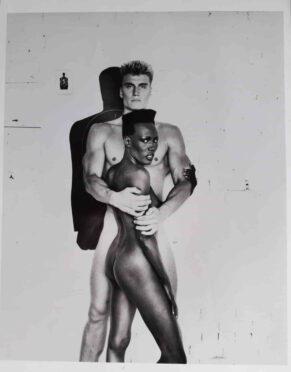
Helmut Newton (1920–2004) occupies a pivotal position in the history of late 20th-century photography, particularly through his radical reconfiguration of the relationship between fashion, eroticism, and visual power. Working primarily for publications such as Vogue, Elle, Harper’s Bazaar, and Playboy, Newton developed a photographic language that merged the conventions of fashion photography with themes traditionally associated with voyeurism, fetishism, theatricality, and sexual transgression. His images became synonymous with a distinctly modern form of erotic representation—one that continues to provoke debate regarding gender, agency, and the politics of looking. Central to Newton’s work is the construction of what critics have often termed the “Newton woman”: tall, self-possessed, sexually assertive, and psychologically enigmatic. Unlike the passive female nude of many earlier photographic traditions, Newton’s subjects frequently confront the viewer directly, occupying positions of dominance rather than submission. His celebrated series such as Big Nudes (1980), Naked and Dressed, and Domestic Nudestransformed the nude body into a site of power, performance, and ambiguity. These images often employed stark lighting, monumental scale, and carefully staged interiors, creating a visual atmosphere that oscillates between glamour, surveillance, fantasy, and threat. Newton’s erotic photography emerged during a period marked by the sexual revolution and second-wave feminism, and it has therefore generated sharply divided interpretations. Critics such as Susan Sontag famously accused Newton’s photographs of aestheticizing domination and reinforcing patriarchal fantasies. Conversely, many models, editors, and later scholars have argued that his images present women as active participants in […]




Stay up to date with news coming weekly to Wallector.com
